
Small Business Game Development: Tools, Costs, and Best Practices
FurtherGrow Team
Updated April 30, 2026
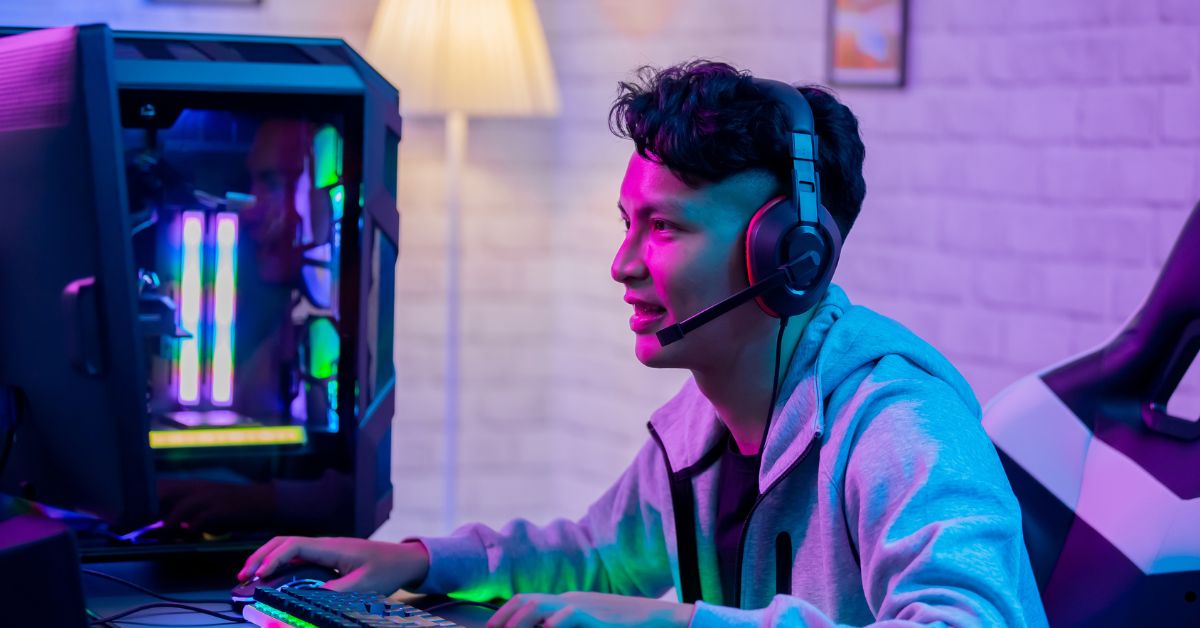
Game development is no longer reserved for large studios with massive budgets. In 2026, small businesses are increasingly entering the gaming space—not just to entertain, but to engage customers, build brand loyalty, and even create new revenue streams.
Whether you’re a startup founder, a creative entrepreneur, or a business owner exploring interactive marketing, small business game development offers exciting opportunities—if approached strategically.
This guide breaks down the essential tools, realistic costs, and best practices to help you succeed.
Why Small Businesses Are Investing in Game Development
Games are one of the most engaging forms of digital content. For small businesses, they offer unique advantages:
Stronger customer engagement through interactive experiences
Brand storytelling in a fun and memorable way
New revenue opportunities via in-app purchases or paid downloads
Marketing differentiation in competitive industries
From simple mobile games to gamified apps, businesses are using games to connect with audiences in ways traditional marketing can’t.
Essential Tools for Game Development
You don’t need a massive tech stack to get started. Here are some popular and accessible tools used by small businesses:
1. Game Engines
Game engines provide the foundation for building your game.
Unity: Widely used for both 2D and 3D games, beginner-friendly with a large community
Unreal Engine: Known for high-quality graphics and advanced features
Godot: Open-source and lightweight, ideal for smaller projects
2. Design and Art Tools
Visuals play a major role in user engagement.
Tools like Adobe Illustrator, Photoshop, or free alternatives help create characters, backgrounds, and UI elements.
3. Sound and Music Tools
Audio enhances the gaming experience.
Tools like Audacity or online libraries provide affordable sound effects and music.
4. Collaboration and Project Management
Even small teams need organization.
Platforms like Trello, Notion, or Slack help manage tasks and communication efficiently.
Understanding the Costs
One of the biggest concerns for small businesses is cost. The good news? Game development can be scaled to fit your budget.
1. Development Costs
Simple 2D games: Low cost, ideal for beginners or marketing purposes
Mid-level games: Moderate cost with better graphics and features
Advanced 3D games: Higher cost due to complexity and resources
2. Team Costs
Depending on your approach, you may need:
Developers
Designers
Sound artists
Hiring freelancers or outsourcing can reduce expenses compared to building a full in-house team.
3. Marketing and Distribution
Don’t forget post-development costs:
App store fees
Advertising and promotion
Updates and maintenance
A well-planned budget ensures you’re prepared for both development and growth.
Best Practices for Small Business Game Development
To make the most of your investment, follow these proven strategies:
1. Start Small and Focused
Avoid trying to build a complex game right away. Start with a simple concept that aligns with your business goals.
2. Prioritize User Experience
A game doesn’t need to be complex to be enjoyable. Focus on:
Smooth gameplay
Clear objectives
Minimal bugs
A positive user experience leads to better retention and engagement.
3. Align the Game with Your Brand
If your goal is marketing, ensure the game reflects your brand identity. This could include:
Brand colors and themes
Subtle product integration
Storylines مرتبط with your business
4. Use Feedback to Improve
Launch early versions and gather user feedback. This helps you:
Identify issues بسرعة
Improve gameplay
Add features that users actually want
5. Optimize for Mobile
Most users play games on their smartphones. Ensure your game is:
Mobile-friendly
Lightweight
Compatible across devices
6. Monetization Strategy
Decide how your game will generate value:
In-app purchases
Ads
Paid downloads
Brand promotion
Choose a model that fits your audience and business objectives.
Common Mistakes to Avoid
Even with the best intentions, small businesses can face challenges:
Overcomplicating the game concept
Ignoring market research
Underestimating development time
Skipping testing and quality assurance
Avoiding these pitfalls can save time, money, and frustration.
Future Trends to Watch in 2026
The gaming industry continues to evolve, and small businesses can benefit from emerging trends:
Gamification of non-gaming apps
AI-driven game design and personalization
Cloud gaming for wider accessibility
Cross-platform development for broader reach
Staying updated with these trends can give your business a competitive edge.
Final Thoughts
Small business game development is no longer out of reach. With the right tools, a clear strategy, and a focus on user experience, even a modest budget can produce impactful results.
Whether your goal is to entertain, market, or monetize, games offer a powerful way to connect with your audience in 2026 and beyond.
Start simple, learn as you go, and keep improving—because in the world of game development, creativity and consistency matter more than size or budget.
Want to discuss this topic?
Our experts are ready to help you implement these ideas in your business.
Get in Touch